A GROWING CRISIS
In the North East, food insecurity is rising. But so is the power of the community.
More families than ever are struggling to put food on the table. Working parents. Older people. Families living in temporary housing. People recently granted refugee status. Many are slipping through the cracks, unable to access food banks or unsure where to turn for help. And nowhere is this crisis felt more deeply than here, in the North East.
THE STATS
35% of children in the North East live in poverty.
That’s one of the highest rates in the country, and it’s rising.
1 in 10 children
live in very deep poverty, with household incomes 60% below the median after housing costs.
67% of those children
are from working households, families who are doing everything they can, but still can’t make ends meet.
Fuel poverty, debt, and rising food prices
mean many are forced to choose between heating, rent, or food - every single week.

"We’ve met families who were breaking up pallets to cook on because they had no money for gas. A food box doesn’t fix everything. But on that day, it can change everything.”
Libby Malcolm, Service Development Manager
WHO'S AFFECTED
The answer is: all kinds of people. But some are more likely to
fall through the cracks:
- Working families who can’t access food banks during the day
- People living in rural areas, with no transport to reach support
- Asylum seekers and new refugees facing restricted benefits
- Single parents, older people, and disabled adults living on low incomes
- People in temporary accommodation, or with no cooking facilities
- People too ashamed to ask for help
WHY THE CURRENT SYSTEM ISN’T ENOUGH
Traditional food banks do vital work. But they’re not designed to meet every need, or reach every household. They often require referrals, operate during limited hours, and can carry stigma.
That leaves many people stuck, hungry, isolated, and unsure where to turn.
And when schools close for holidays, or bills go unpaid, or a crisis hits? Those gaps become huge.
THE REALITY BEHIND CLOSED DOORS
Food poverty doesn’t always look like an empty fridge. It looks like:
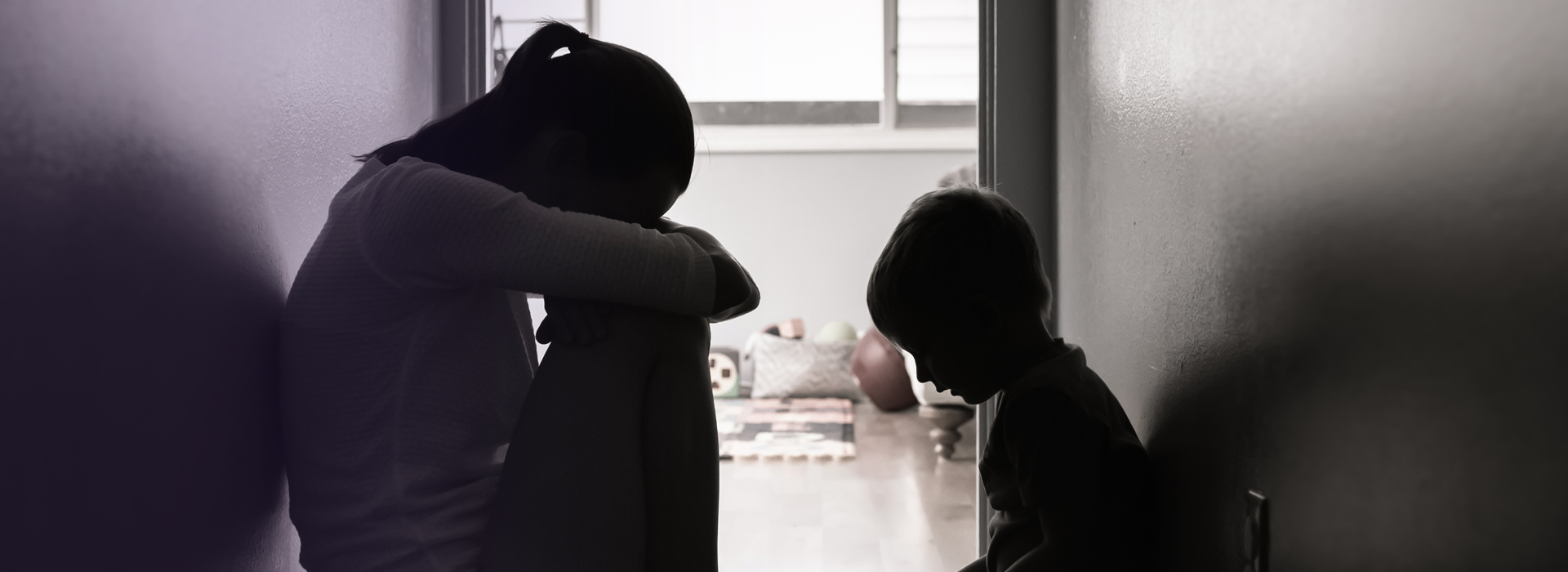
- A mum skipping meals so her kids can eat
- A teenager missing school because there’s no breakfast at home
- A family smiling for neighbours, while heating tins of soup on a camping stove
This is happening in towns and villages across our region, often in homes that, from the outside, seem just fine.
STAY CONNECTED